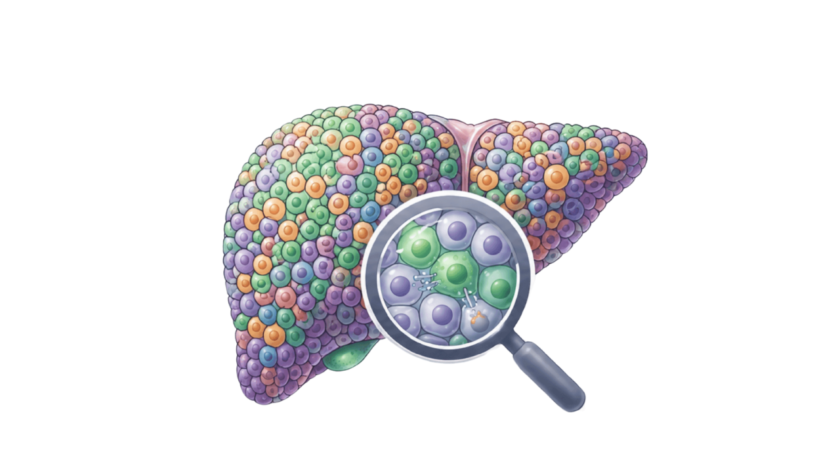
Deriving clear, meaningful biological insights from single-cell data begins long before library preparation. Independent reviews, such as the article by Sura et. al., show that more than half of RNA‑seq failures stem from pre‑analytical handling, long before library prep begins. Warm ischemia, freeze‑thaw cycles, and harsh dissociation can fragment RNA, inflate stress‑response reads, or wipe out fragile cell types. In our client projects, ranging from snRNA‑seq on aged nerve tissue to Visium HD on decalcified bone, we've found that the single strongest predictor of usable data is the tissue's condition upon arrival.
Five pre‑analytical threats to tissue integrity
- Ischemic delay – every minute between excision and preservation increases RNA fragmentation and stress signatures. Even a 15‑minute warm‑ischemia can drop RIN by more than one point and spike stress response gene expression.
- Freeze–thaw cycles – just 1 freeze thaw cycle ruptures membranes, releasing ambient RNA that confounds cell‑calling. Leaked mRNA forms a background “soup” that inflates low‑complexity barcodes and obscures rare cells.
- Aggressive (enzymatic) dissociation – retina and brain tissue are especially prone to cell lysis and loss of delicate populations. High enzyme concentration or over‑lysis during nuclei isolation selectively destroys fragile cell types.
- Fixation & decalcification (FFPE bone) – cross‑linking and acid treatment fragment nucleic acids, slashing capture efficiency. Fragment length often falls below DV200 thresholds, forcing deeper sequencing to recover signal.
- Long‑term storage at −80 °C – ice crystal damage lowers nuclei yield and unique‑molecule counts. Months of storage can halve nuclei recovery and boost duplicate rates despite perfect freezer logs.
QC metrics that predict sequencing success
- RIN ≥ 7 is recommended for fresh‑frozen Visium samples; lower scores correlate with shorter cDNA and poor sensitivity.
- DV200 ≥ 30 % is the hard cut‑off for Visium HD FFPE projects; below that, probe hybridisation start to fail.
- Nuclei yield per mg highlights hidden degradation; dramatic drops often foreshadow shallow library complexity.
- Shallow sequencing (~10 M reads) exposes barcode diversity, ambient contamination, and duplication rates before full‑scale investment.
Find out how we can help you with your research question
Download a detailed overview of our transcriptomics services
Tailor your Protocol for Fragile or Precious Tissue
- Archived FFPE or decalcified bone: Hybrid-capture chemistries, like Visium HD, often provide robust results where poly-dT capture might struggle.
- Frozen brain or lipid-rich organs: snRNA-seq is highly effective at preserving cell-type diversity while minimizing RNA leakage from damaged cytoplasm.
- Tiny biopsies or organoids: Plate-based methods like SORT-seq deliver exceptional sensitivity from minimal input material.
Because Single Cell Discoveries is platform‑agnostic, our scientists pivot chemistry and workflow to match the real‑world state of your tissue, avoiding template‑driven compromises
Watch our webinar on how we turn challenging samples into high-quality transcriptomics data, with practical guidance and real case studies.
Pilot experiments at Single Cell Discoveries
When samples are precious, proof‑of‑concept data is worth its weight in reagents.
At Single Cell Discoveries, we think a pilot can always be useful, and they are often encouraged:
- Feasibility call – Before any contract is signed, we chart the sample’s journey: ischemia time, storage conditions, and shipping temperature. Catching red flags early saves weeks downstream.
- Bench test – We have multiple built-in quality-control steps, including sample, library, and data QC.
- Decision point – Together, we review the pilot and either (i) green‑light the full study, (ii) tweak protocol parameters, or (iii) pivot to a different assay if the tissue demands it.
Because wet‑lab and bioinformatics teams are tightly connected, any adjustment, for example, switching from poly‑dT to hybrid‑capture, is mirrored in mapping parameters and cell‑calling scripts the same day.
The result, your main experiment starts with evidence, not hope.
Conclusions
Sample integrity is decided long before sequencing begins. Protecting RNA during transport, storage, and dissociation preserves biological signal and reduces costly rework down the line. A handful of up‑front QC metrics—RIN, DV200, and nuclei yield—forecast success more reliably than platform specifications, giving teams an objective basis to proceed or pivot.
Equally important, protocols must be tailored to the tissue’s condition. Decalcified bone biopsies are generally better suited to hybrid-capture chemistries, while lipid-rich brain tissues often benefit from nuclei isolation approaches. When in doubt, a small‑scale pilot offers decisive evidence, preventing expensive surprises once the full cohort is on deck.
In short, thoughtful sample handling, fit‑for‑purpose chemistry, and data‑driven pilot experiments form the foundation of robust single‑cell and spatial transcriptomics.
Protect your single-cell investment, start with a pilot designed for your tissue.
Connect with our PhD‑level scientists for a free 30‑minute feasibility call. Together, we’ll design, pilot, and execute a workflow that respects your tissue’s limits and delivers data you can trust.
Download our services brochure